
Chin Wax Gallery
$$MultiPurposeText$$
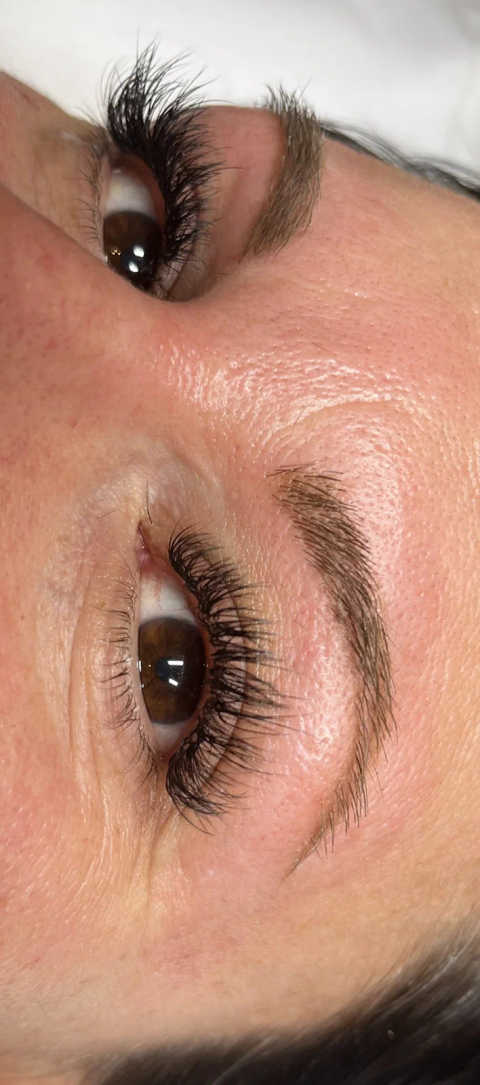
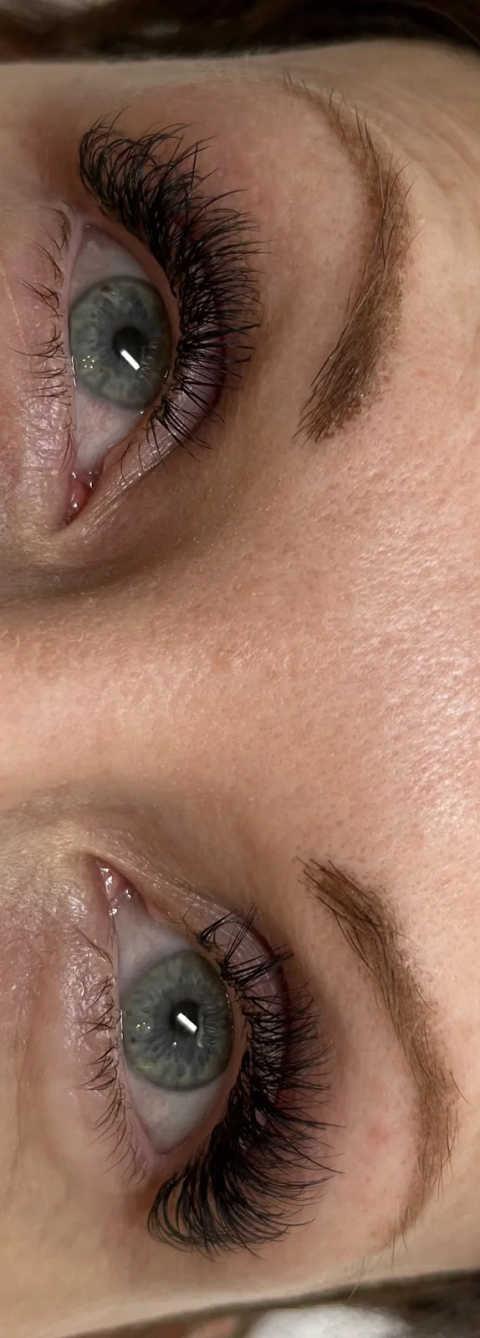
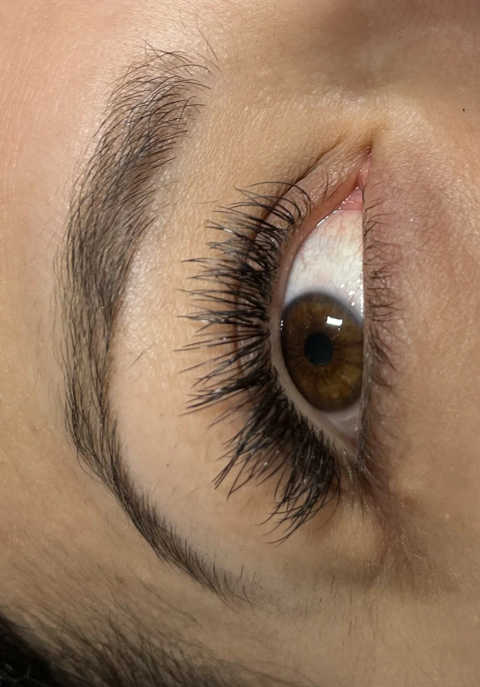
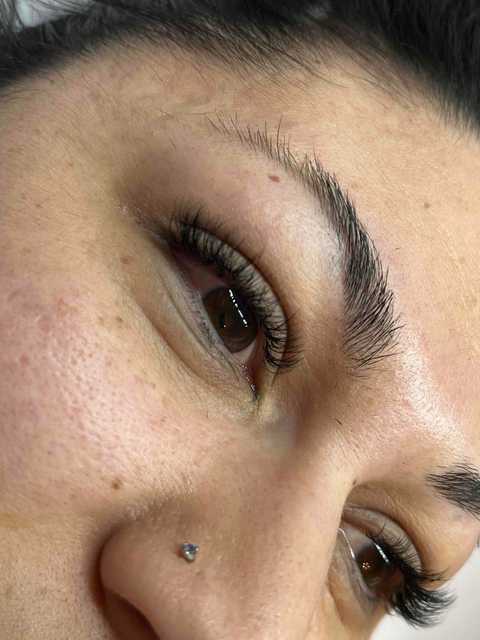
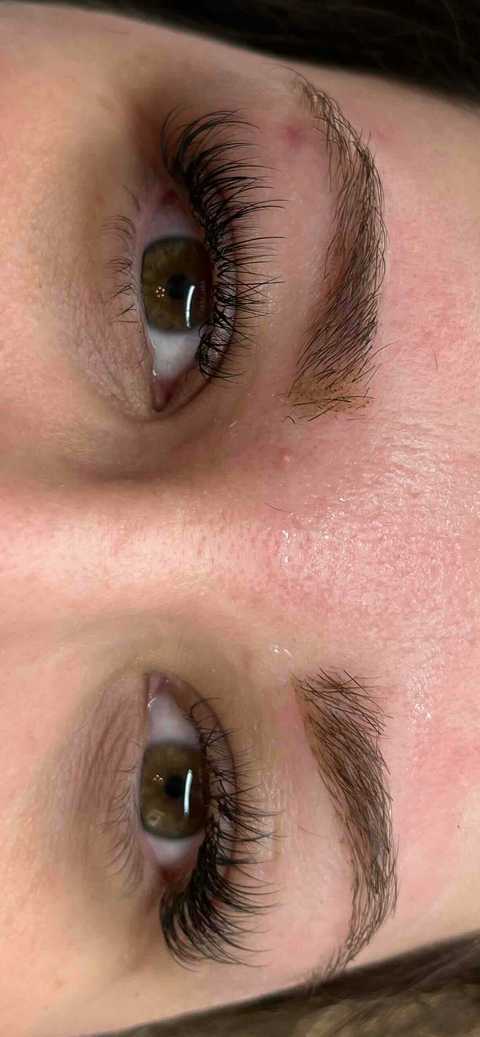
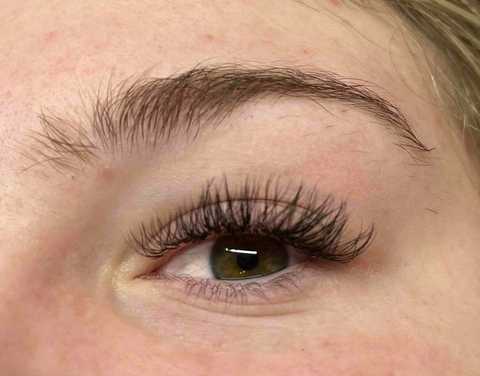
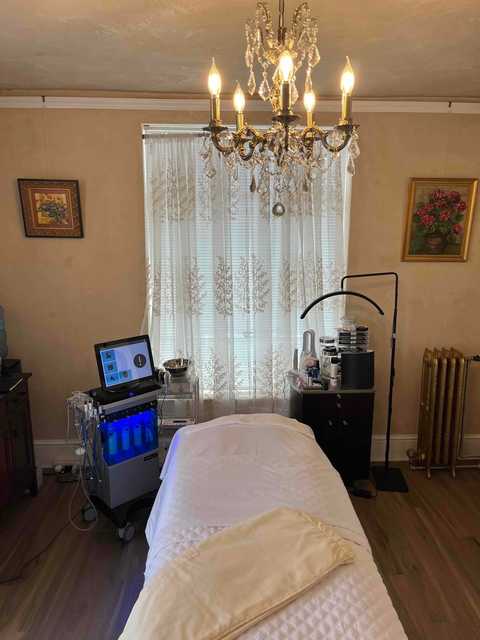
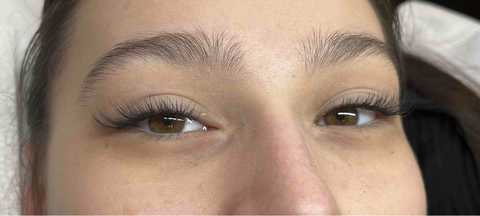
See examples of our Chin Wax work and results.






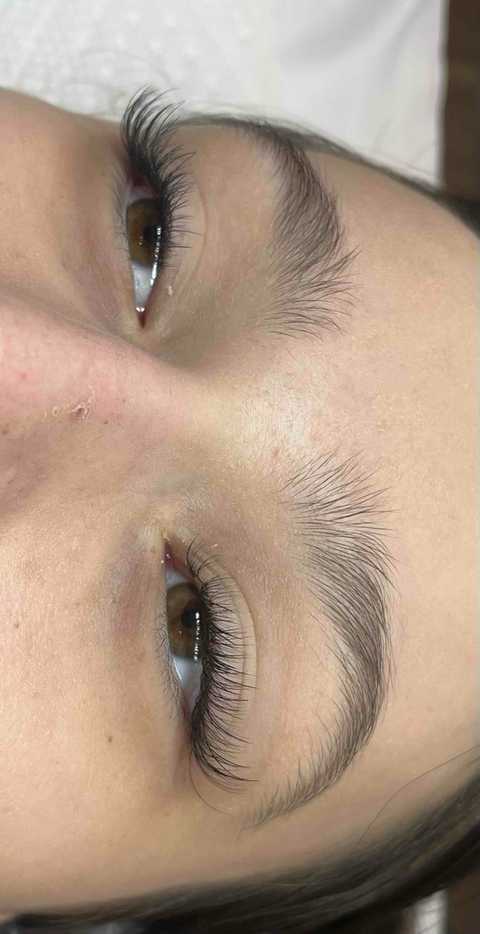
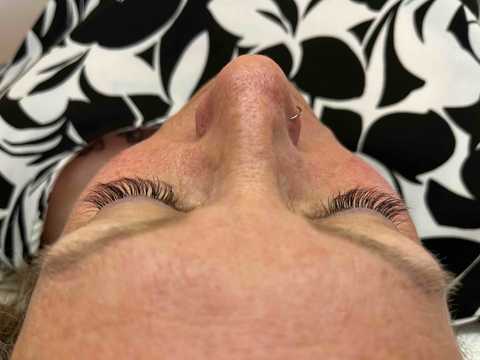

What Our Clients Say
$$MultiPurposeText$$
Read testimonials from our satisfied customers

She did an amazing job shaping, waxing and coloring my eyebrows. Was very knowledgeable.

Cat's eyebrow service is top tier! Thank you for the best first time with you experience ...more

She was absolutely wonderful. Had a great experience especially for my first time waxing.

Had such a wonderful experience the room was so clean and relaxing, very affordable price ...more

I had my eyebrows waxed today and cat did an amazing job . She is very good at what she do...more

My eyebrows look fantastic, and are now exactly where they are supposed to be. I will def...more

Frequently Asked Questions
Get answers to common questions about Chin Wax.
Most clients feel brief, manageable twinges during chin waxing; discomfort usually subsides within minutes after treatment. Trained technicians use soothing techniques and post-wax calming products to reduce sensitivity. Regular waxing often lessens pain over time as hair grows finer.
For best results, hair should be about ¼ to ½ inch long (approximately two to three weeks of growth). Shorter hair may not adhere; overly long hair can increase discomfort. The therapist will trim if necessary to ensure effective waxing.
Some topical acne treatments (retinoids, prescriptions) increase skin sensitivity and risk of irritation. Inform your technician about any medications; they may recommend postponing waxing for several days or avoiding certain products before and after to prevent adverse reactions.
Avoid sun exposure, hot showers, and heavy makeup for 24–48 hours. Apply soothing aloe or calming lotions, exfoliate gently after 48 hours to prevent ingrown hairs, and avoid touching the area to limit bacterial irritation.
Typically clients return every four to six weeks, depending on individual hair growth. Regular appointments help maintain smoothness and can reduce regrowth density. Your technician will recommend a schedule tailored to your hair growth and desired maintenance level.
Waxing is generally considered safe during pregnancy and breastfeeding, but increased sensitivity is common. Consult your healthcare provider if uncertain. Technicians will adapt pressure and products; inform them of your condition so they can use gentle methods and appropriate aftercare.